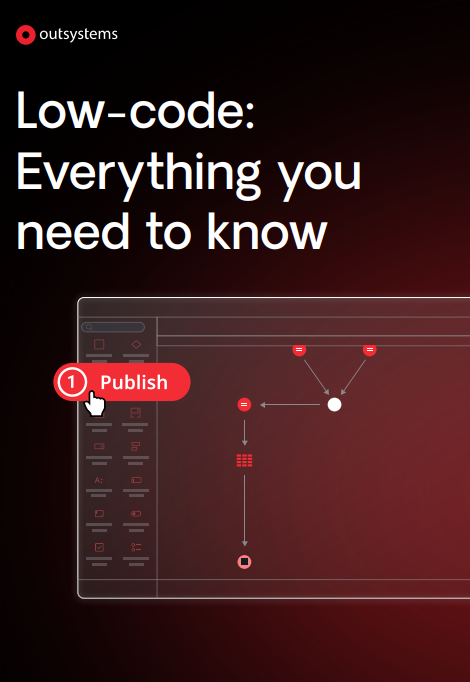
Rather than writing thousands of lines of complex code and syntax, developers use a platform where they drag and drop visual models to create complete applications with modern user interfaces, integrations, data, and logic. Integrated lifecycle management and a hosting infrastructure to deploy and run applications eliminate complex scripting and deployment processes. A low-code platform removes the repetitive and tedious tasks like dependency management, code validation, and complicated builds by automating them and other mundane aspects of development. Developers can focus on the creative extra mile that makes a difference in their applications and to the business instead of just keeping the lights on, The result? Organizations get apps into production much faster.
High-code (also known as traditional code) is the process of writing and deploying code from scratch. It can also enable the implementation of advanced calculation algorithms and customized connectors between systems, but this usually comes at the cost of highly specialized and highly skilled developers as well as long lead times. Low-code developers create applications faster because they are developing visually, not writing code. Also, many low-code platforms come with connectors and other templates that speed up the development process.